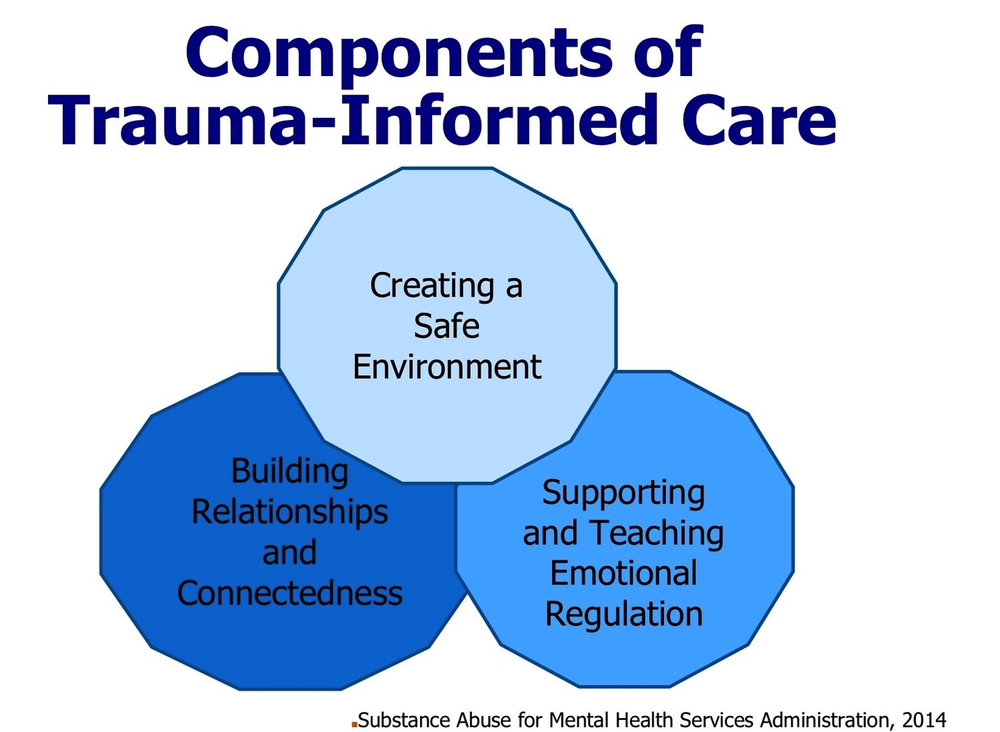
Trauma: Psychological Effects and Recovery Process is a multifaceted journey, often requiring profound self-reflection, support, and dedicated effort to overcome the lasting effects. This thorough guide delves into the psychological impacts of trauma, exploring the scope of potential reactions and the recovery process. We will explore the common symptoms, delve into the causes, and highlight evidence-based strategies to navigate and overcome these challenges. This article will break down the process into these sections: understanding the nature of trauma, addressing common symptoms, coping mechanisms, support systems, and the function of therapy. This will offer a thorough overview for individuals and their families seeking to understand and heal from trauma.
Understanding the Nature of Trauma
Defining Trauma: A Broad Perspective
Trauma encompasses a wide scope of deeply distressing experiences that can significantly impact mental and emotional well-being. These experiences can scope from significant accidents to enduring exposure to violence or abuse. Understanding the scope of trauma is crucial for developing appropriate coping mechanisms. Trauma is often defined as an event or series of events that overwhelm an individual’s ability to cope, leading to feelings of fear, helplessness, and powerlessness.
Common Types of Trauma
Trauma can manifest in various forms, each presenting unique challenges to recovery. Common types include: physical abuse, sexual abuse, emotional abuse, neglect, witnessing violence, accidents, natural disasters, and war. It is crucial to acknowledge the wide spectrum and diverse experiences of those who have experienced trauma.
Addressing Common Symptoms
Emotional Responses to Trauma
Individuals who have experienced trauma often exhibit a scope of intense emotional reactions, including anxiety, fear, and depression. These symptoms can fluctuate in severity and may emerge immediately or develop over time. Common emotional responses include flashbacks, intrusive thoughts, and nightmares. A thorough understanding of these reactions is vital to building a personalized recovery plan.
Behavioral and Physiological Reactions
Beyond emotional responses, trauma can manifest in behavioral changes like avoidance, hypervigilance, and difficulty concentrating. Physiological responses may include sleep disturbances, changes in appetite, and boostd heart rate. It is crucial to recognize these physical and behavioral shifts as potential trauma indicators. Understanding these symptoms aids in recognizing patterns and developing targeted interventions.
Coping Mechanisms for Healing
Self-Care Practices
Implementing a robust self-care routine is essential for managing trauma’s effects. Self-care includes activities like mindfulness, meditation, exercise, and engaging in hobbies. These activities can promote a sense of normalcy and emotional regulation. Regular sleep, healthy eating, and sufficient rest are vital components of self-care.
Cognitive Techniques
Cognitive techniques such as reframing negative thoughts, challenging unhelpful beliefs, and developing positive self-talk can help to reduce the emotional impact of trauma. Journaling and therapy can offer frameworks for applying these strategies.
Developing Healthy Coping Mechanisms
Developing healthy coping mechanisms is critical. Consider mindfulness practices, deep breathing exercises, physical activities (yoga, hiking, etc.) for stress reduction. Seeking support from friends, family, or support groups can offer valuable connections.
Support Systems and Resources
The Importance of Support Systems
Strong support systems play a crucial function in the recovery process. Family, friends, support groups, or even online communities can offer a sense of belonging and validation. Sharing experiences and coping mechanisms with others can foster a supportive environment. Strong networks minimize feelings of isolation and amplify motivation during recovery.
function of Therapy in Trauma Recovery
Types of Trauma-Informed Therapy
Trauma-informed therapy approaches help individuals understand and process past experiences. varied types of therapy can be helpful, including Cognitive Behavioral Therapy (CBT), Eye Movement Desensitization and Reprocessing (EMDR), and Dialectical Behavior Therapy (DBT). selecting the right approach for individual needs can significantly influence the recovery process.
benefits of Therapy for Healing
Professional therapy offers a safe and confidential space to explore trauma. Therapists can offer personalized strategies for coping with symptoms. They guide patients in understanding the root causes and develop effective coping mechanisms.
Frequently Asked querys
What are the long-term effects of trauma?
Trauma’s long-term effects can vary significantly among individuals. They might experience recurring nightmares, flashbacks, anxiety disorders, depression, or difficulties in relationships. The impact can also extend to physical health problems such as chronic pain and sleep issues. Addressing trauma early is crucial to mitigate potential long-term repercussions.
How can I find a trauma-informed therapist?
Start by asking for referrals from trusted friends, family, or your primary care physician. Online search engines, mental health directories, and professional organizations specializing in trauma can also be valuable resources. Consider factors like experience with trauma-related disorders and specialized training in trauma-informed approaches when making your choice.
In conclusion, navigating trauma’s psychological effects and recovery process is a journey requiring understanding, support, and a personalized approach. Seeking professional help is crucial for managing symptoms and achieving lasting recovery. Remember, healing is possible, and with the right tools and resources, individuals can move forward with resilience and hope. Explore more resources and support groups for a deeper understanding and practical steps in your recovery journey. Contact a therapist or counselor today for personalized support.


