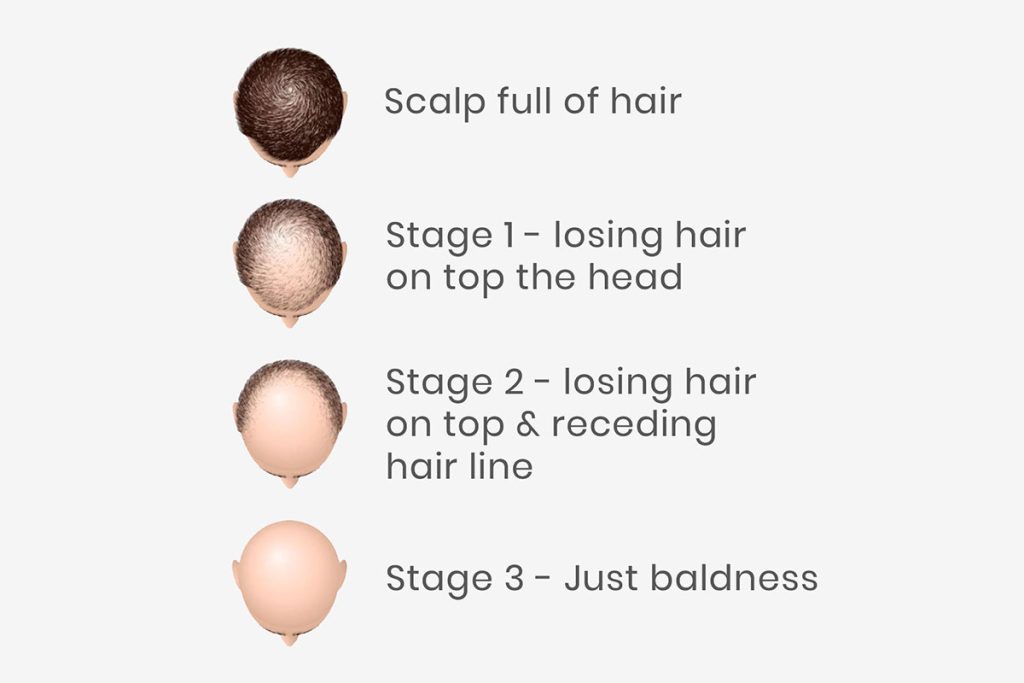
Androgenetic alopecia, the leading cause of hair loss in both men and women, commonly known as male and female pattern baldness, affects millions worldwide. This condition is influenced by a complex interplay of genetic factors and hormonal changes. This thorough guide delves into the complexities of androgenetic alopecia, providing a thorough understanding of its causes, symptoms, and available treatments, while also highlighting the differences between male and female pattern baldness. We will explore how varied treatment options may impact progression and management, providing insights into various strategies for hair growth. We will also discuss how to find and work with healthcare professionals, ensuring a achievementful approach.
Understanding the Causes of Androgenetic Alopecia
Genetic Predisposition
Genetic factors play a significant function in the development of androgenetic alopecia. Individuals with a family history of hair loss are more prone to experiencing this condition. study indicates that genes influencing hair follicle sensitivity to androgens are crucial factors. Understanding the genetic component is crucial for developing targeted strategies for managing the condition.
Hormonal Imbalances
Hormones, particularly androgens, are key players in androgenetic alopecia. Dihydrotestosterone (DHT), a metabolite of testosterone, is a primary culprit. DHT causes miniaturization of hair follicles, ultimately leading to thinning hair and eventual baldness. This hormonal influence is often more pronounced in men due to their higher testosterone levels. However, women also experience hormonal fluctuations that can trigger hair loss.
Other Contributing Factors
While genetics and hormones are dominant, other factors can contribute to the development of androgenetic alopecia. Stress, nutritional deficiencies, certain medications, and underlying medical conditions can exacerbate hair loss. These factors can affect the overall health of hair follicles and contribute to accelerated hair loss. It is crucial to address these additional factors to support hair follicle health.
Distinguishing Male and Female Pattern Baldness
Male Pattern Baldness
Male pattern baldness, frequently observed in men, typically follows a predictable pattern. The hair loss usually begins at the temples and crown of the head, with receding hairline and a thinning crown. This progression can be gradual and take several years to fully manifest. study highlights the genetic predisposition of male pattern baldness and its correlation with higher testosterone levels.
Female Pattern Baldness
Female pattern baldness, on the other hand, presents with a more diffuse thinning of the hair across the scalp. There’s a less distinct pattern compared to male pattern baldness, with the hair loss often appearing more uniform. The underlying hormonal factors and genetic influences in women may differ from those in men, and additional study is needed to fully understand the subtleties of this condition in women.
Treatment Considerations
Addressing the unique characteristics of both male and female pattern baldness is vital for effective treatment. Treatments and strategies may differ based on the specific pattern and extent of hair loss.
Exploring Treatment Options for Androgenetic Alopecia
Medications
Several medications can help manage androgenetic alopecia. Minoxidil, a topical solution, promotes hair growth by increasing blood flow to the scalp. Finasteride, an oral medication, reduces DHT production, slowing or halting hair loss, although not all individuals respond positively. Other medications, such as certain topical corticosteroids, may be considered in specific circumstances or when combined with other therapies.
Lifestyle Changes
Adopting a healthy lifestyle can support overall scalp health and potentially slow hair loss. A balanced diet rich in essential nutrients, adequate sleep, and stress management techniques can positively impact hair follicle health. Regular exercise and avoiding smoking are additional lifestyle elements that may help.
Surgical Interventions
Hair transplant surgery is a viable option for those seeking to restore hair. This procedure involves transferring healthy hair follicles from a donor area to the affected areas. Hair transplant efficacy varies based on the individual case and surgical expertise.
The function of Hair Loss in Mental Wellbeing
Psychological Impact
Hair loss, particularly in noticeable patterns, can have a significant psychological impact on individuals. Body image issues, low self-esteem, and social anxiety may arise. Recognizing the emotional toll of hair loss is essential for effective management.
Seeking Support
Support groups, counseling, or therapy can offer essential coping mechanisms for managing the emotional facets of hair loss. Talking to a mental health professional or connecting with others experiencing similar challenges can be incredibly helpful.
Holistic Approach
Addressing both the physical and emotional facets of hair loss is critical. A holistic approach integrating medical treatments, lifestyle changes, and psychological support is often more effective in managing the complete impact of the condition.
Understanding the Importance of Early Diagnosis
Preventive Measures
Early diagnosis and intervention are vital to slowing the progression of androgenetic alopecia. determineing the specific factors contributing to hair loss in each case can lead to targeted interventions.
Monitoring Progress
Regular monitoring is necessary to track the response to treatments and adjust strategies as needed. This approach facilitates tailoring interventions to achieve the optimal possible outcomes.
Adapting to Change
Adjusting to hair loss can be challenging. Developing strategies for managing the emotional and psychological impacts of hair loss is essential for long-term well-being.
Managing Stress and Anxiety
Stress’s impact on Hair Growth
Chronic stress can negatively affect hair health and exacerbate hair loss. Stress triggers hormonal imbalances that may disrupt the hair growth cycle. Therefore, managing stress is an essential facet of maintaining healthy hair and potentially slowing the progression of hair loss.
Stress Management Techniques
Numerous stress management techniques can prove beneficial in managing androgenetic alopecia. These techniques can help restore a balance in the body’s hormonal responses, which helps in minimizing stress triggers. Stress management tools can include meditation, yoga, and deep breathing exercises. The efficacy of these stress-reducing practices can vary greatly based on individual needs and responses.
Exploring Nutritional Strategies
Nutritional Deficiencies’ Effect on Hair Health
Nutritional deficiencies can compromise hair health and contribute to hair loss. Vitamins, minerals, and other nutrients are crucial for supporting the health of hair follicles and maintaining overall scalp well-being. For example, deficiencies in essential amino acids can affect the production of keratin, a key protein component of hair.
Nutritional Recommendations for Hair Health
Maintaining a balanced diet with adequate intake of vitamins (especially A, D, and C), proteins, iron, and zinc can support hair health. Incorporating various fruits, vegetables, lean proteins, and healthy fats into one’s diet can often alleviate potential nutrient deficiencies. For example, biotin supplements can contribute to hair growth when used correctly and with the guidance of a healthcare professional.
The function of Professional Consultation
Importance of seeking medical advice
Consulting with a dermatologist or trichologist is critical when experiencing hair loss. These healthcare professionals can accurately diagnose the cause of hair loss and recommend appropriate treatment plans.
Personalized Approach to Treatment
They conduct a thorough assessment and can offer tailored recommendations. They can address potential underlying medical conditions or determine alternative therapies that are appropriate for individuals.
Frequently Asked querys
What are the key differences between male and female pattern hair loss?
Male pattern baldness typically manifests with a receding hairline and thinning crown, whereas female pattern baldness often involves a more diffuse thinning across the scalp. The underlying hormonal factors and genetic influences may differ. While both conditions share similar underlying mechanisms related to androgen sensitivity, the manifestation patterns vary considerably. It’s crucial to remember that genetics play a significant function, and some women can experience a degree of male-pattern hair loss, though not as visibly.
What are the most effective treatment options for androgenetic alopecia?
Treatment options for androgenetic alopecia may include medications like minoxidil and finasteride, which can either slow the process or encourage growth in various instances. Lifestyle adjustments, such as a balanced diet, stress management techniques, and avoiding smoking, may also play a function. Furthermore, surgical procedures such as hair transplants can potentially restore hair in severe cases, although this is a more drastic approach. It’s crucial to consider individual responses to varied treatments and consulting with a healthcare professional for personalized guidance and recommendations.
In conclusion, understanding androgenetic alopecia, whether male or female pattern baldness, is crucial for effective management and treatment. This article has explored the causes, symptoms, and potential treatment options. Remember, consulting a healthcare professional is essential for a personalized approach. Consider exploring varied therapies and lifestyle adjustments to potentially slow or halt progression. For further inquiries or to discuss specific concerns, schedule a consultation with a dermatologist or trichologist. Visit our website for more related information and resources.


