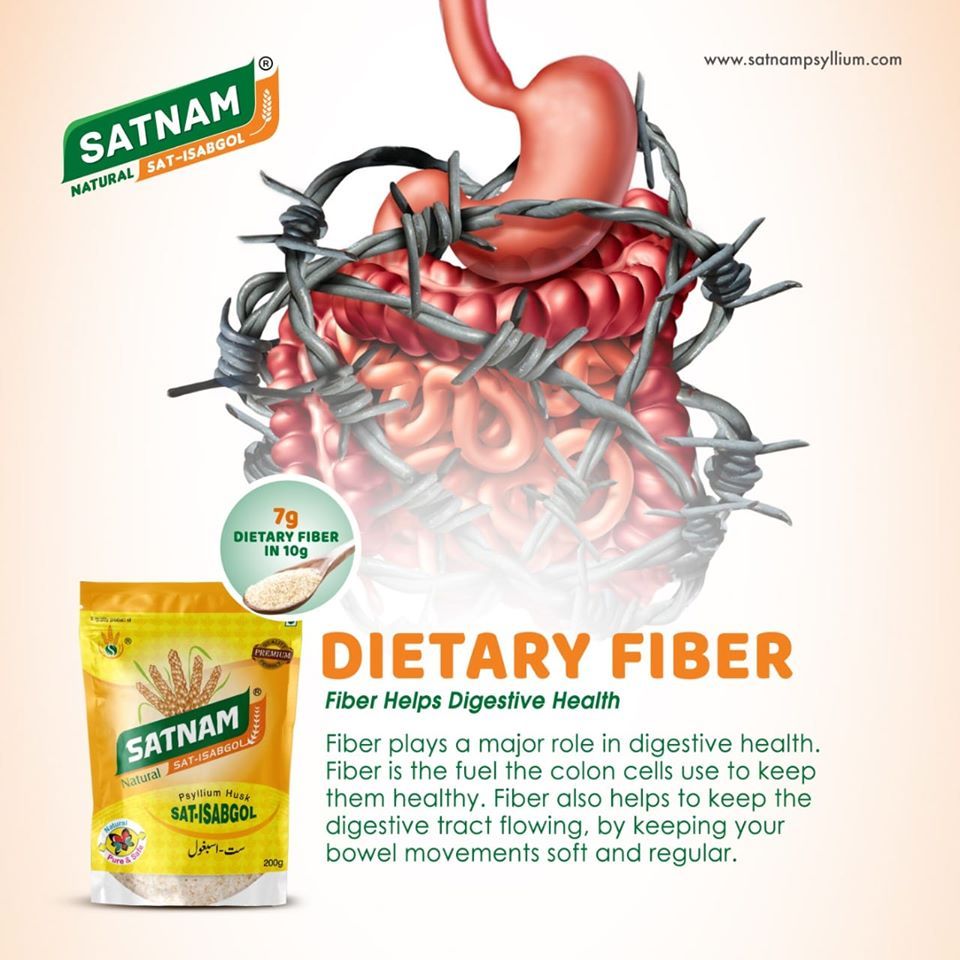
Fiber Focus isn’t just about adding fiber to your diet; it’s about understanding the profound impact it has on your digestive health and overall well-being. A balanced diet rich in fiber can significantly improve gut health and prevent numerous digestive issues. This thorough guide delves into the importance of dietary fiber, determineing common issues related to insufficient fiber intake, and outlining practical solutions for incorporating more fiber into your daily life. We’ll explore various types of fiber, their benefits, and how to incorporate them into your diet. We’ll also cover the crucial function of a healthy gut microbiome and explore the connection between fiber intake and overall health.
Understanding the Importance of Fiber
What is Fiber?
Dietary fiber is the indigestible portion of plant-based foods. Unlike other nutrients, our bodies cannot break down fiber, which means it passes through the digestive system largely unchanged. However, this seemingly simple component plays a crucial function in maintaining overall health. Fiber adds bulk to stool, promotes regular bowel movements, and helps maintain a healthy gut microbiome.
Types of Fiber: Soluble and Insoluble
Soluble Fiber:
Soluble fiber dissolves in water, forming a gel-like substance in the digestive tract. This gel helps slow down digestion, regulate blood sugar levels, and lower cholesterol. Foods high in soluble fiber include oats, barley, fruits, and legumes.
Insoluble Fiber:
Insoluble fiber doesn’t dissolve in water. It adds bulk to the stool, promoting regularity and preventing constipation. Good sources include whole grains, vegetables, and brown rice. A balanced diet should include both types of fiber for optimal digestive health.
The Vital function of Fiber in Digestive Health
Promoting Regularity:
Fiber’s ability to add bulk to stool is paramount for regular bowel movements. A diet lacking sufficient fiber can lead to constipation, bloating, and abdominal discomfort. By increasing fiber intake, you can promote smoother digestion and prevent these issues.
Supporting a Healthy Gut Microbiome:
The gut microbiome is a complex ecosystem of microorganisms that play a vital function in digestion and overall health. Fiber acts as a prebiotic, feeding beneficial bacteria in the gut. A healthy gut microbiome supports various functions including immune function and nutrient absorption.
The Connection Between Fiber and Overall Well-being
Blood Sugar Control:
Soluble fiber can slow down the absorption of sugars, helping to regulate blood sugar levels and preventing blood sugar spikes. This is particularly crucial for individuals with diabetes or those looking to manage their blood sugar.
Heart Health:
Studies have shown a link between high fiber intake and a reduced risk of heart disease. By lowering cholesterol and promoting healthy blood sugar levels, fiber contributes to better cardiovascular health.
Practical Strategies for Increasing Fiber Intake
Incorporating Fiber-Rich Foods:
Start by gradually incorporating more fiber-rich foods into your diet. Replace refined grains with whole grains, add more fruits and vegetables, and include legumes in your meals.
Fiber Supplements:
In some cases, fiber supplements might be necessary to reach recommended daily intake. However, always consult a healthcare professional before starting any new supplement regimen.
Hydration:
Drinking plenty of water is crucial for maximizing the benefits of fiber. Water helps the fiber to dissolve and form the gel that promotes regular bowel movements.
Dietary Choices for Increasing Fiber Intake
Healthy Gut Microbiome for Better Digestive Health
Strategies for Better Digestive Health
The Link Between Fiber Intake and Blood Sugar Control
Frequently Asked querys
What are some of the most common signs of insufficient fiber intake?
Common signs of insufficient fiber intake include constipation, bloating, abdominal discomfort, and digestive issues. If you experience these symptoms frequently, consider increasing your fiber intake through dietary changes or supplementation. Remember to always consult your doctor or a registered dietitian for personalized advice.
How much fiber should I consume daily?
The recommended daily fiber intake varies based on age and gender. However, a general instruction is to aim for at least 25-30 grams of fiber per day. This amount can be achieved by incorporating various fiber-rich foods in your diet, like fruits, vegetables, whole grains, and legumes.
In conclusion, Fiber Focus highlights the undeniable importance of dietary fiber for optimal digestive health and overall well-being. By incorporating a variety of fiber-rich foods into your diet, you can experience numerous benefits, from improved bowel regularity to enhanced nutrient absorption and a healthier gut microbiome. Ready to embark on a fiber-rich journey? Explore our thorough guide to fiber-rich foods and simple ways to boost your daily fiber intake for a healthier you.


