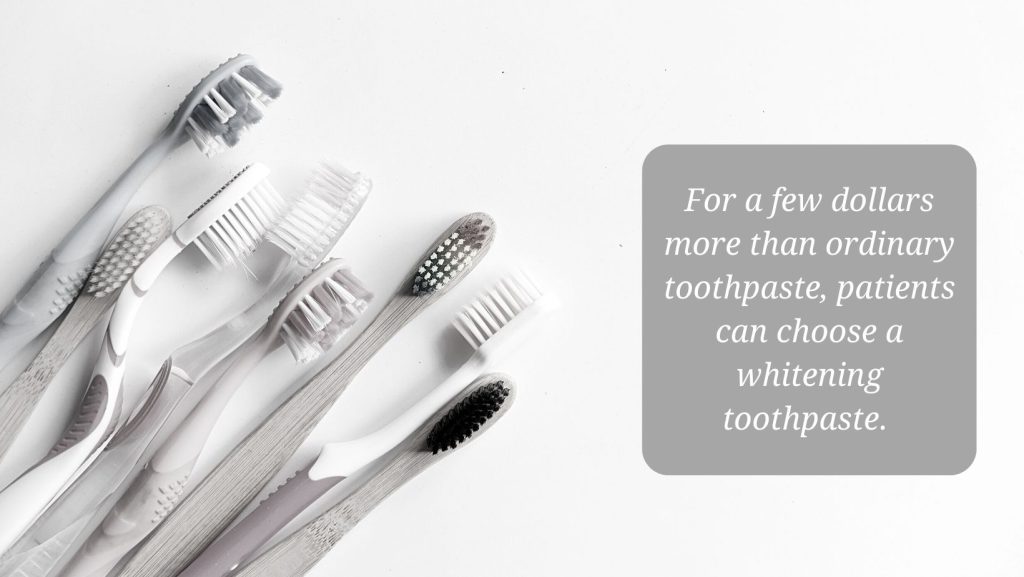
Hard toothbrushing for whiter teeth is a popular yet often harmful myth. Many people believe that aggressively scrubbing their teeth will lead to a brighter, more dazzling smile. However, this misideaion can lead to serious damage to tooth enamel and gum health. This article will delve into the science behind hard brushing, revealing the truth behind this common dental practice. We’ll examine why hard brushing is counterproductive and how gentle brushing can actually lead to a healthier and whiter smile. This detailed examination includes an description of the risks, solutions, and a guide to better brushing techniques for optimal oral hygiene, so you can make informed decisions about your dental health. We’ll cover the importance of enamel protection, the function of proper brushing techniques, and the effects of aggressive habits on the gums.
The Myth of Hard Brushing for Whiter Teeth
Understanding the Belief
Many people believe that scrubbing their teeth vigorously with a hard-bristled brush will remove more plaque and stains, leading to a whiter smile. This perceived fast-track to brighter teeth is often driven by social media trends and unrealistic beauty standards. While the immediate visual effect might seem positive, the long-term consequences are far from desirable. ### The Science of Tooth Enamel
Tooth enamel, the hardest tissue in the human body, is still vulnerable to damage from improper brushing habits. Constant friction from a hard brush can cause microscopic scratches and wear on the enamel, making teeth more susceptible to sensitivity, decay, and discoloration over time.
The Damaging Effects of Hard Brushing
Enamel Erosion
Hard brushing can lead to enamel erosion, a gradual weakening of the protective enamel layer. This weakening exposes the dentin, a softer layer beneath the enamel that can become highly sensitive to hot, cold, sweet, and acidic foods and drinks. ### Gum Recession and Inflammation
Harsh brushing can irritate and inflame the gums, leading to gum recession and gingivitis. This damage compromises the gums’ ability to support and protect teeth, increasing the risk of tooth loss in the long term. In some cases, gum recession can be visible and can impact your smile’s aesthetic appeal.
Proper Brushing Techniques for Optimal Oral Hygiene
The Gentle Approach
The key to maintaining a healthy smile lies in adopting a gentle yet effective brushing technique. Using a soft-bristled toothbrush and a circular motion is recommended, ensuring you reach all surfaces of each tooth. ### The Importance of Frequency and Duration
Brushing your teeth twice daily for at least two minutes each time is crucial for removing plaque and food particles. This duration allows for thorough cleaning of all areas of the mouth, effectively removing bacteria.
Preventing Damage
Choosing the Right Tools
Investing in a soft-bristled toothbrush is paramount. Additionally, using fluoride toothpaste and replacing your toothbrush every three to four months is essential to maintain optimal oral hygiene. ### Regular Check-ups
Routine visits to your dentist are vital. Dental professionals can determine any early signs of enamel erosion or gum recession and offer tailored solutions.
Alternative Whitening Methods
Professional Teeth Whitening
Consulting a dentist for professional teeth whitening treatments is a safer and more effective approach. These treatments utilize specialized techniques and products that target specific stains while minimizing enamel damage. ### Natural Remedies
While some natural remedies, like baking soda and lemon juice, are often promoted for teeth whitening, it’s crucial to exercise caution. These methods can harm enamel and gum health when used improperly.
Frequently Asked querys
What are the long-term consequences of hard toothbrushing?
Hard toothbrushing can lead to enamel erosion, gum recession, and boostd sensitivity to temperature changes. Over time, this can outcome in tooth discoloration, pain, and even tooth loss. The long-term impacts can significantly impact your smile’s health and aesthetic appeal.
How can I prevent hard toothbrushing damage?
Adopting a gentle approach to brushing your teeth using a soft-bristled toothbrush and a circular motion is crucial. Additionally, ensuring regular check-ups with your dentist, using fluoride toothpaste, and replacing your toothbrush every three to four months are vital to maintaining healthy gums and teeth. These practices are vital for safeguarding your enamel and creating a healthier smile.
In conclusion, hard toothbrushing, while seemingly a quick fix for whiter teeth, is ultimately detrimental to oral health. Gentle, proper brushing techniques are crucial for maintaining healthy gums and teeth. This article has explored the myths and facts surrounding hard brushing, offering practical advice and actionable steps to prevent enamel erosion and gum damage. Consider scheduling a professional cleaning with your dentist to assess your oral hygiene and receive personalized recommendations. Your smile’s health and longevity depend on it! Contact your dentist today for a check-up!


