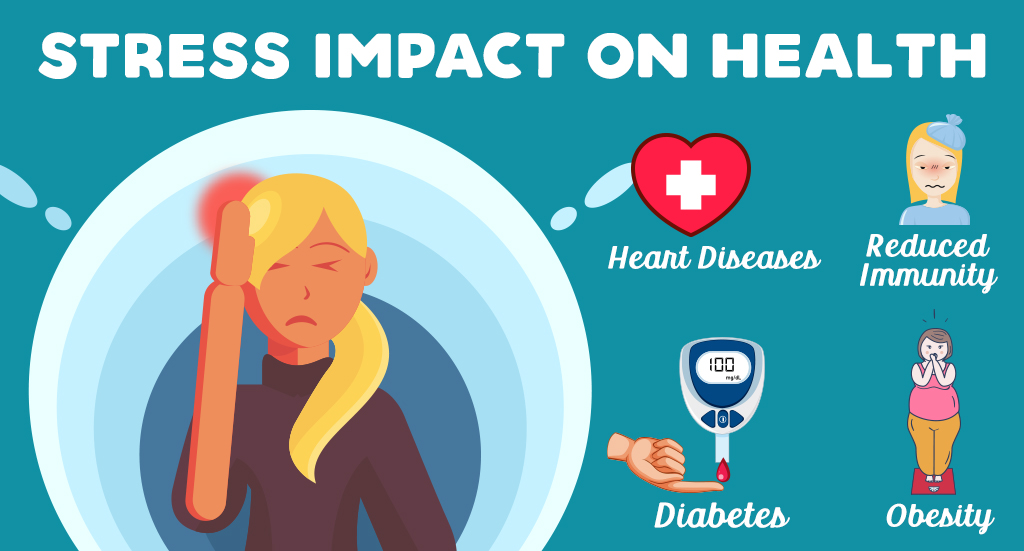
Stress: Impact on Health and Management Techniques. The relentless demands of modern life often lead to chronic stress, impacting mental and physical health. This thorough guide explores the multifaceted effects of stress, highlighting its connection to various health issues and presenting proven techniques for managing stress effectively. We will delve into the detrimental impact of stress on both physical and mental well-being, examining varied management strategies. This article will then break down these techniques, offering practical steps readers can take to mitigate stress. The structure will cover understanding the impact of stress on physical and mental health, exploring various stress management strategies, and providing a practical guide to implementation.
Understanding the Impact of Stress on Physical Health
Stress, while a natural human response, can have severe consequences on physical health. Chronic stress can weaken the immune system, making individuals more susceptible to illnesses. Long-term stress can also contribute to cardiovascular problems, increasing blood pressure and the risk of heart disease. Moreover, stress can lead to digestive issues, such as irritable bowel syndrome (IBS) and stomach ulcers. study indicates a strong correlation between prolonged stress and weakened immune function, potentially leading to infections and delayed healing. Further exploration will investigate the links between stress hormones and cardiovascular health, examining the specific mechanisms through which stress impacts the cardiovascular system.
Exploring the Psychological Effects of Stress
Stress profoundly impacts mental well-being, often leading to anxiety and depression. Prolonged exposure to stress can disrupt sleep patterns, leading to fatigue and decreased cognitive function. Individuals experiencing chronic stress may also encounter difficulties concentrating, remembering details, and making decisions. Furthermore, stress can trigger or exacerbate pre-existing mental health conditions. Stress can also impact social relationships; chronic stress can diminish patience and boost irritability, making interactions more challenging. In extreme cases, severe stress can lead to PTSD in individuals who have experienced traumatic events.
Effective Stress Management Techniques
Mindfulness and Meditation
Mindfulness practices, such as meditation, can help individuals develop awareness of their thoughts and emotions, allowing them to respond to stress more effectively rather than react impulsively. By focusing on the present moment, mindfulness techniques can help reduce anxiety and promote a sense of calm. Studies demonstrate that regular meditation practice can lower cortisol levels, a hormone associated with stress. varied types of meditation, including loving-kindness meditation and body scan meditation, can offer varying benefits.
Lifestyle Modifications
Adopting healthy lifestyle habits can significantly reduce stress levels. Regular exercise, a balanced diet, and adequate sleep are crucial for maintaining physical and mental well-being. Exercise releases endorphins, natural mood boosters that counteract stress hormones like cortisol. A balanced diet offers the nutrients the body needs to function optimally, combating fatigue and improving mood. Adequate sleep allows the body to recover and repair, essential for resilience to stress.
Seeking Professional Help
When stress becomes overwhelming or impacts daily functioning, seeking professional help is essential. Therapists and counselors can offer support and guidance in developing coping mechanisms and stress management strategies. varied approaches, such as cognitive behavioral therapy (CBT), can help determine and modify negative thought patterns contributing to stress. Additionally, support groups can offer valuable peer support and a sense of community for individuals dealing with stress.
Time Management and Organization
Effective time management can reduce stress by promoting efficiency and reducing feelings of overwhelm. Prioritizing tasks, breaking down large projects into smaller, manageable steps, and utilizing to-do lists are proven techniques for managing time effectively. Organization plays a key function in stress management, creating a sense of control and reducing anxiety associated with disorganization. Clear organization of tasks, finances, and environment allows for a clearer perspective on stress triggers and potential solutions. Utilizing digital tools for task management, calendar reminders, and document organization can help.
Building Resilience to Stress
Building resilience is a proactive approach to stress management, focusing on developing emotional strength to navigate stressful situations. Developing positive coping mechanisms can help individuals respond effectively to challenging situations. Cultivating social connections can offer a support network, offering emotional support and practical assistance. Setting realistic expectations and boundaries, recognizing individual strengths, and fostering self-compassion are also crucial elements in building resilience.
What are some effective long-term strategies for managing stress?
Long-term stress management encompasses proactive strategies, such as establishing healthy routines, building a strong support system, and practicing mindfulness. Implementing relaxation techniques, like deep breathing exercises and progressive muscle relaxation, can help manage the physiological responses to stress. Regular exercise and a balanced diet also contribute to overall well-being. Seeking support from a mental health professional for tailored strategies can be instrumental in long-term stress management.
How does stress affect work performance?
Stress can have a significant impact on work performance, affecting concentration, productivity, and decision-making skills. Prolonged stress can lead to burnout, impacting motivation and hindering overall work efficiency. Recognizing the signs of stress in the workplace and implementing strategies for stress management can help individuals maintain peak performance and prevent burnout.
How can social support networks help reduce stress?
Social support systems play a critical function in stress management by providing a sense of belonging, emotional support, and practical assistance. Strong social connections help individuals feel understood, validated, and cared for, fostering resilience in the face of stress. Shared experiences and mutual support can reduce feelings of isolation and offer coping strategies for managing stressful situations.
What are some common symptoms of stress?
Common symptoms of stress can manifest in various ways; from physical symptoms like headaches and muscle tension to emotional symptoms such as anxiety and irritability. Changes in sleep patterns, difficulty concentrating, and feelings of overwhelm are also common indicators. Additionally, some people may experience changes in appetite, either boostd or decreased. Understanding these symptoms allows for proactive identification and management of stress.
In conclusion, managing stress effectively is crucial for overall well-being. By understanding the impact of stress on health and implementing practical management techniques, individuals can significantly improve their quality of life. The strategies discussed, including mindfulness, healthy lifestyle choices, and seeking professional help when needed, offer a roadmap to navigate stress and cultivate resilience. Remember, stress management is an ongoing process, and consistency in implementing these techniques is key to long-term well-being. To delve deeper into these strategies and create a personalized stress management plan, visit our website.


