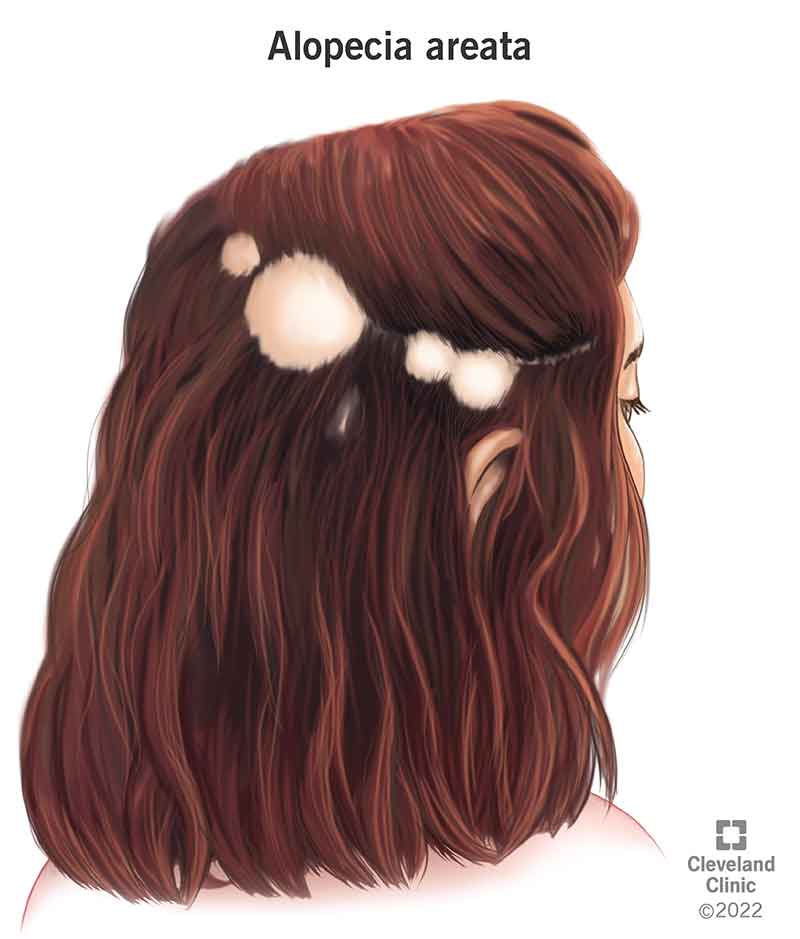
Alopecia areata, an autoimmune disorder, is a significant concern for many people. Understanding the roots of this condition, its diverse symptoms, and the available treatment approaches is key to improving overall well-being. This thorough guide will explore the multifaceted nature of alopecia areata, from its potential triggers to effective management strategies. We’ll delve into the causes, symptoms, and treatment options, providing readers with a solid foundation of knowledge to navigate this challenging experience. This article is structured as follows: first, we’ll explore the causes of alopecia areata, followed by a detailed discussion of common symptoms and diagnostic considerations. We’ll conclude by outlining various treatment approaches.
Understanding the Root Causes of Alopecia Areata
Alopecia areata is a complex autoimmune disorder that triggers hair loss in various patterns. While the precise cause remains elusive, study suggests a close link between an overactive immune response and hair follicle damage. The immune system, instead of defending the body against harmful pathogens, mistakenly attacks the hair follicles, leading to hair loss in distinctive patches.
Genetic Predisposition and Family History
A significant body of evidence suggests that a family history of autoimmune disorders can boost an individual’s susceptibility to alopecia areata. Individuals with a genetic predisposition may be more prone to developing autoimmune conditions. This is especially true for conditions like alopecia areata. Environmental factors also play a critical function.
Environmental Triggers and Stressors
Experiencing significant stress, whether physical or emotional, can also trigger or exacerbate alopecia areata. This association between stress and hair loss has been noted in various studies. Psychological stress can negatively affect the immune system, potentially contributing to an inappropriate immune response that targets the hair follicles. Exposure to environmental allergens or toxins might also play a function in initiating or worsening the condition.
Recognizing the Diverse Manifestations of Alopecia Areata
Alopecia areata manifests in a scope of ways, encompassing various symptoms and patterns of hair loss. Understanding these diverse manifestations is essential for accurate diagnosis and effective management.
Patchy Hair Loss
The hallmark symptom of alopecia areata is patchy hair loss. This hair loss frequently appears as round or oval patches of hair loss, often affecting the scalp. In some cases, the patches can be small, while in others, they can be extensive, covering large sections of the scalp or even the entire body.
varied Presentation Types
Alopecia areata can present in a number of varied ways. It can involve loss of hair from just a small area or it can be more widespread. The pattern of hair loss can sometimes vary depending on the individual. This can include localized hair loss on the scalp or on other parts of the body, such as the eyebrows, eyelashes, beard, and body hair.
Other Related Symptoms
While hair loss is the defining characteristic of alopecia areata, some individuals may experience other accompanying symptoms, including scalp inflammation or itching.
Exploring Effective Treatment Approaches for Alopecia Areata
Various treatment approaches are available for individuals with alopecia areata. These approaches address the underlying inflammatory response and aim to promote hair regrowth.
Topical Corticosteroids and Immunosuppressants
Topical corticosteroids are frequently used to reduce inflammation in the affected area. These creams or ointments are applied directly to the scalp. Immunosuppressant medications are sometimes administered to regulate the immune response, thereby minimizing the damage to hair follicles.
Phototherapy
In certain instances, phototherapy using ultraviolet light, either narrowband UVB or PUVA, might be beneficial in promoting hair regrowth. The efficacy of phototherapy in treating alopecia areata is well-documented. Patients and physicians should carefully consider the possible side effects.
Hair Replacement Options
Surgical or nonsurgical hair replacement options are available for those whose hair loss is severe or extensive. These strategies aim to address the cosmetic impact of the condition and offer a functional solution.
Managing Alopecia Areata: Lifestyle and Emotional Considerations
Managing alopecia areata extends beyond medication and treatment. Adopting strategies for managing stress, stress relief, healthy habits, and overall well-being can prove beneficial. Psychological support may be needed to address associated emotional distress.
Alopecia Areata and Long-Term Management
Alopecia areata requires ongoing management and monitoring for any recurrences or changes in severity. Lifestyle considerations such as stress management, proper nutrition and regular check-ups with a dermatologist are essential.
What are the varied types of Alopecia Areata?
Alopecia areata presents in various forms, affecting the body in numerous ways. The most common type is alopecia areata, characterized by patchy hair loss on the scalp, though it can occur elsewhere in the body. Other presentations can involve eyebrows, eyelashes, or the entirety of the scalp.
What are the varied treatment options for Alopecia Areata?
Several treatment options are available, and the appropriate one for any given individual will depend upon the particular circumstances of the case. These include topical corticosteroids, immunosuppressant medications, phototherapy, and in more severe cases, hair replacement options, which can either be surgical or non-surgical.
How can I manage stress to mitigate Alopecia Areata?
Managing stress is crucial in mitigating the impact of alopecia areata. Consider stress-reducing strategies, including yoga, meditation, deep breathing exercises, or engaging in hobbies and activities that promote relaxation and well-being.
How can I prevent Alopecia Areata from worsening?
Maintaining a balanced diet, getting adequate rest, managing stress, and regularly consulting a dermatologist can help prevent alopecia areata from worsening. Taking proactive steps to address stress and adopting healthy lifestyle choices are essential.
Frequently Asked querys About Alopecia Areata
What are the common causes of Alopecia Areata?
The exact cause of alopecia areata remains somewhat elusive, but study suggests that it’s an autoimmune disorder. In simple terms, the body’s immune system, which normally protects the body from external threats, mistakenly targets the hair follicles in an inflammatory reaction, leading to hair loss. This can be triggered by a combination of genetic predisposition, environmental factors, and stress levels.
In summary, Alopecia Areata is a complex autoimmune condition that affects hair follicles, leading to hair loss in patches. While there’s no known cure, various treatment options can help manage symptoms and promote hair regrowth. Understanding the causes, symptoms, and treatment options is crucial for those affected by this condition. Consider scheduling a consultation with a dermatologist to explore personalized treatment strategies. Learn more about alopecia areata and its management.


