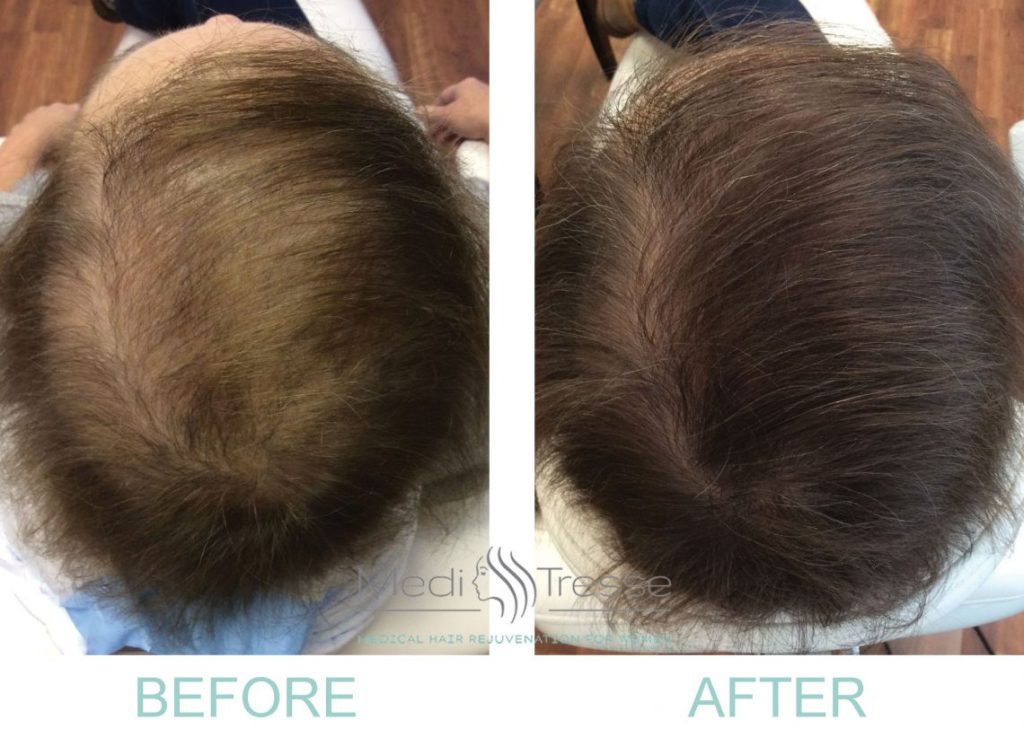
PRP therapy is revolutionizing hair treatment, offering a non-surgical approach to stimulating hair regrowth and addressing hair loss. It leverages the power of your own blood platelets to revitalize hair follicles and promote healthy hair growth. Many individuals are experiencing renewed hope and confidence through this innovative treatment. This article will delve into the science behind PRP, exploring its mechanisms, potential benefits, and the steps involved in the treatment process. We’ll also discuss potential side effects and limitations, along with considerations for choosing the right treatment for your needs, providing you with a thorough understanding of PRP therapy for hair treatment.
Understanding Platelet-Rich Plasma (PRP) Therapy
What is PRP?
Platelet-rich plasma (PRP) is a concentrated solution of platelets derived from a patient’s own blood. Platelets are crucial components of the blood clotting system but also contain growth factors essential for tissue repair and regeneration. When concentrated, these growth factors become potent stimulators of cell growth and repair, making PRP a valuable tool in various medical fields, including hair restoration.
The Science Behind PRP Hair Treatment
The process begins with drawing a small sample of blood from the patient. This blood is then processed in a centrifuge to separate the platelets from the other blood components. The concentrated platelets, now forming PRP, are then injected into the scalp, stimulating hair follicles to become more active, and promoting hair growth. The growth factors in PRP activate dormant follicles and encourage the production of new hair.
The PRP Treatment Process
Preparation and Procedure
Before undergoing PRP therapy for hair loss, it’s crucial to consult a qualified dermatologist or hair restoration specialist. They will assess your specific needs and create a treatment plan tailored to your situation. A typical PRP treatment involves a simple blood draw and careful preparation of the PRP solution. After that, the specially prepared PRP is injected into the scalp at specific points designed to enhance hair growth.
Treatment Frequency and Duration
The frequency and duration of PRP treatments vary depending on individual factors. The ideal treatment schedule will be determined by your doctor in conjunction with your hair loss condition. For example, in some cases, a course of 3-5 treatments spaced 4-6 weeks apart might be recommended. Each treatment should be planned and executed with care by a trained professional.
Potential benefits and Limitations
benefits of PRP for Hair Loss
PRP therapy holds significant potential for individuals experiencing hair loss, offering several benefits compared to other conventional methods. One major benefit is that it leverages your body’s natural healing mechanisms. The treatment stimulates hair follicle activity, potentially improving hair growth and reducing hair loss. Another benefit is the relatively minimal discomfort associated with the procedure, a benefit in terms of patient comfort.
Potential Side Effects
While PRP therapy is generally safe, potential side effects, although rare, may include some bruising or mild swelling at the injection site. In most cases, these effects are temporary and resolve on their own. It’s essential to consult your doctor regarding any concerns or potential complications.
Combining PRP with Other Treatments
Complementary Therapies
PRP therapy can be a highly effective tool in a thorough hair loss treatment plan. It often works synergistically with other hair restoration techniques like hair transplants, and can help to enhance the long-term outcomes. For example, a combination of PRP and a specialized hair loss treatment regimen can effectively target the roots of hair loss.
Case Study: Illustrative Examples
Numerous studies have explored the efficacy of PRP for hair loss, showing promising outcomes. One study published in the Journal of Dermatology demonstrated a noticeable improvement in hair growth after PRP injections compared to a placebo group, suggesting the treatment’s potential efficacy.
FAQs
What are the long-term effects of PRP for hair loss?
PRP therapy, when performed by qualified professionals, can yield noticeable outcomes and has shown promise for long-term improvement in hair regrowth. However, the long-term efficacy can vary depending on individual factors. Consistency in treatments and a thorough hair-care routine can be crucial to maximize outcomes.
Is PRP hair treatment painful?
PRP hair treatment is typically associated with minimal discomfort. While there may be slight tenderness at the injection site, the pain is generally manageable and temporary. Your doctor will advise on appropriate pain management and can administer the injection efficiently to ensure minimal discomfort.
In conclusion, PRP therapy offers a promising avenue for hair restoration, harnessing the body’s own healing mechanisms to stimulate hair follicle growth. While not a miracle cure, PRP has shown significant potential in addressing hair loss and achieving positive outcomes for many individuals. If you’re experiencing hair loss and are considering treatment options, consulting a dermatologist or hair restoration specialist is essential to determine if PRP therapy is appropriate for your specific needs. Schedule a consultation today to explore the possibilities of PRP hair restoration.


