Supplements for hypertension can play a significant function in lowering blood pressure naturally, offering a holistic approach to manage this prevalent health concern. High blood pressure, often called the silent killer, affects millions worldwide, often with little to no noticeable symptoms, yet can lead to serious health complications. Understanding how supplements can contribute to better blood pressure control is crucial for proactive well-being. This article explores the potential of supplements for hypertension, emphasizing evidence-based strategies, potential risks, and crucial considerations for effectively managing high blood pressure. This thorough guide will delve into the function of specific supplements, examining their potential mechanisms and benefits, as well as crucial factors like consulting a medical professional. We will also address the importance of maintaining a healthy lifestyle, along with proper dietary habits and lifestyle modifications.
Understanding Hypertension and its Impact
Hypertension: A Silent Threat
High blood pressure, or hypertension, is a condition where the force of blood against artery walls is consistently too high. Often asymptomatic, this condition can lead to severe complications such as heart disease, stroke, and kidney failure. The prevalence of hypertension underscores the urgency of proactive management and understanding natural avenues for control. A healthy lifestyle, diet, and potentially supplements, can all be components of a holistic approach to lowering blood pressure naturally.
Lifestyle Factors Influencing Blood Pressure
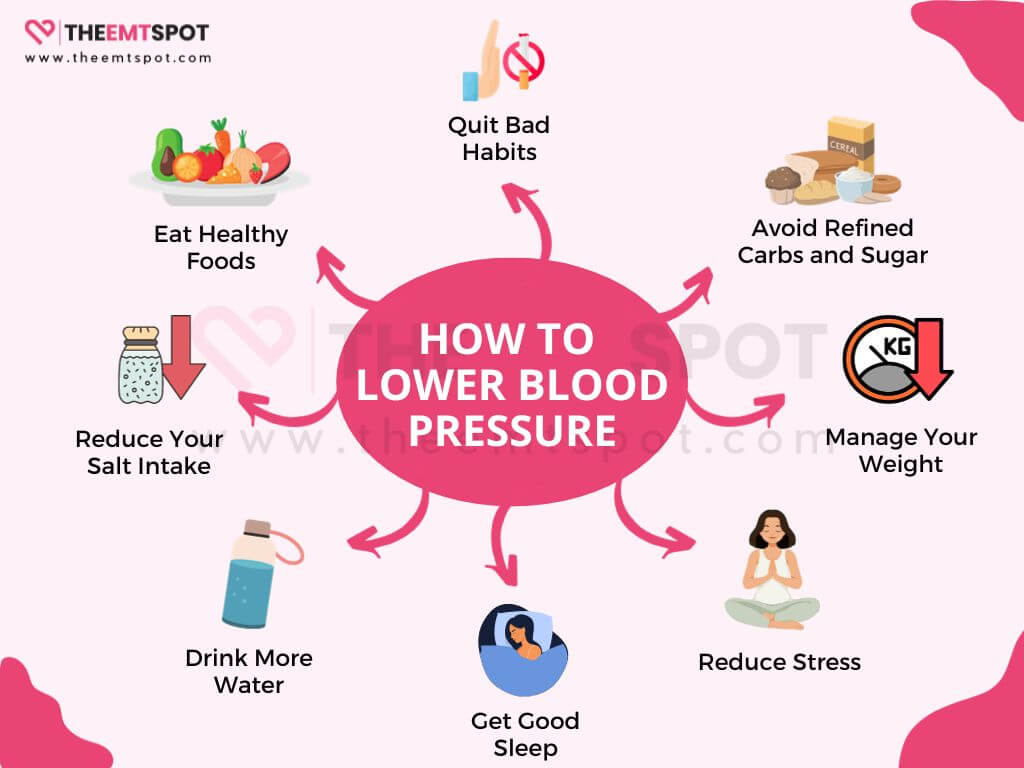
Several lifestyle factors significantly contribute to blood pressure regulation. These include diet, exercise, stress levels, and even sleep quality. Unhealthy eating habits, a sedentary lifestyle, chronic stress, and insufficient sleep can all exacerbate high blood pressure. Addressing these elements alongside considering supplementary options can offer a layered approach to management. Adopting a heart-healthy lifestyle, including regular exercise, can yield significant improvements in hypertension management.
The function of Supplements in Blood Pressure Management
This article will investigate the function supplements might play in a holistic approach to blood pressure. Many natural ingredients have demonstrated potential blood-pressure-lowering effects, potentially augmenting the benefits of other lifestyle adjustments. However, it’s imperative to approach supplements with a degree of caution. Not all supplements are created equal, and some can interact with other medications. It’s crucial to consult with a doctor to discuss any concerns and ensure that they are suitable for an individual’s specific health needs.
Common Supplements for Hypertension
Magnesium for Blood Vessel Relaxation
Magnesium is a crucial mineral involved in various bodily functions, including muscle and nerve function, and blood vessel relaxation. Some study suggests magnesium supplementation can contribute to lower blood pressure by promoting vasodilation, improving blood flow. In one study, participants taking magnesium supplements showed a significant decrease in systolic and diastolic blood pressure. However, further study is needed to solidify these findings.
Potassium for Electrolyte Balance
Potassium plays a key function in maintaining healthy blood pressure. Its ability to balance electrolytes can help prevent blood pressure fluctuations. Consuming potassium-rich foods like bananas, spinach, and sweet potatoes can help, and potassium supplements can also assist, but always consult your doctor.
CoQ10 for Cardiovascular Health
CoQ10 is an essential antioxidant that plays a crucial function in cellular energy production, especially in the heart. Studies have indicated that CoQ10 supplementation may help maintain healthy blood pressure by supporting cardiovascular function. However, further study is necessary to confirm the exact mechanisms and optimal dosage.
crucial Considerations and Precautions
Consulting a Healthcare Professional
Before incorporating any supplements into your hypertension management plan, consulting a healthcare professional is absolutely essential. They can assess your individual needs, determine potential interactions with other medications you might be taking, and advise on appropriate dosages. This individualized approach is crucial to ensure safety and efficacy.
The Importance of a Holistic Approach
Effective blood pressure management necessitates a multifaceted approach. Supplements can complement a healthy lifestyle but should never be a substitute for medical advice and proven strategies like regular exercise and a balanced diet. Prioritize lifestyle modifications as a cornerstone for long-term achievement.
Potential Risks and Side Effects
While supplements are generally considered safe, potential side effects and interactions with existing medications can arise. Always discuss potential risks and side effects with your healthcare offerr before starting any supplement regimen.
Dietary Recommendations for Hypertension
DASH Diet
The Dietary Approaches to Stop Hypertension (DASH) diet is a highly recommended plan for managing hypertension. It focuses on consuming plenty of fruits, vegetables, whole grains, and low-fat dairy products while limiting sodium intake. This diet offers a thorough approach to blood pressure management that can be complemented with natural supplements.
Reducing Sodium Intake
Reducing sodium intake is a crucial component of managing hypertension. High sodium consumption can lead to fluid retention and boostd blood pressure. Understanding and limiting sodium intake is an crucial dietary plan.
Healthy Fat Intake
Incorporating healthy fats like those found in avocados, nuts, and olive oil can have a positive impact on blood pressure. These fats help maintain healthy blood vessel function, supporting overall cardiovascular health.
Lifestyle Modifications for Hypertension Control
Regular Exercise
Regular physical activity is crucial for maintaining healthy blood pressure. Aim for at least 150 minutes of moderate-intensity aerobic exercise per week. Incorporating exercises like walking, jogging, swimming, or cycling can substantially improve blood pressure levels.
Stress Management
Chronic stress can contribute to elevated blood pressure. Implementing stress-reducing techniques like yoga, meditation, or deep breathing exercises can significantly help manage hypertension. These techniques offer tools for better blood pressure management.
Adequate Sleep
Ensuring adequate sleep is critical to maintaining healthy blood pressure. Aim for 7-8 hours of quality sleep each night to allow your body to rest and repair, contributing to healthy blood pressure regulation.
In conclusion, incorporating supplements for hypertension can be a valuable addition to a holistic approach to lowering blood pressure naturally. Remember, consulting a healthcare professional before starting any supplement regimen is crucial. They can assess your individual needs, offer personalized recommendations, and monitor your progress. By adopting a healthy lifestyle, combined with strategic dietary choices and potentially, supplements, you can actively manage your blood pressure and improve your overall well-being. Take charge of your health journey today!


